The academy kills...
A reflection on academic cruelty, the human cost of destructive criticism, and my own complicity in a culture that kills ideas and wounds the people behind them
The academy, especially in non-positivist fields, can be brutal. We seem consumed by a quest to prove who is the most intelligent, while the purpose of research, to illuminate the present and anticipate the future, fades into the background.
A manuscript must speak the authorised vocabulary of an “ology,” cite its recognised intellectual ancestors and perform sufficient conceptual complexity. Its capacity to enlarge human understanding or anticipate emerging realities becomes secondary. The scholar’s task becomes proving that they deserve to participate in a conversation whose rules were established long before they arrived.
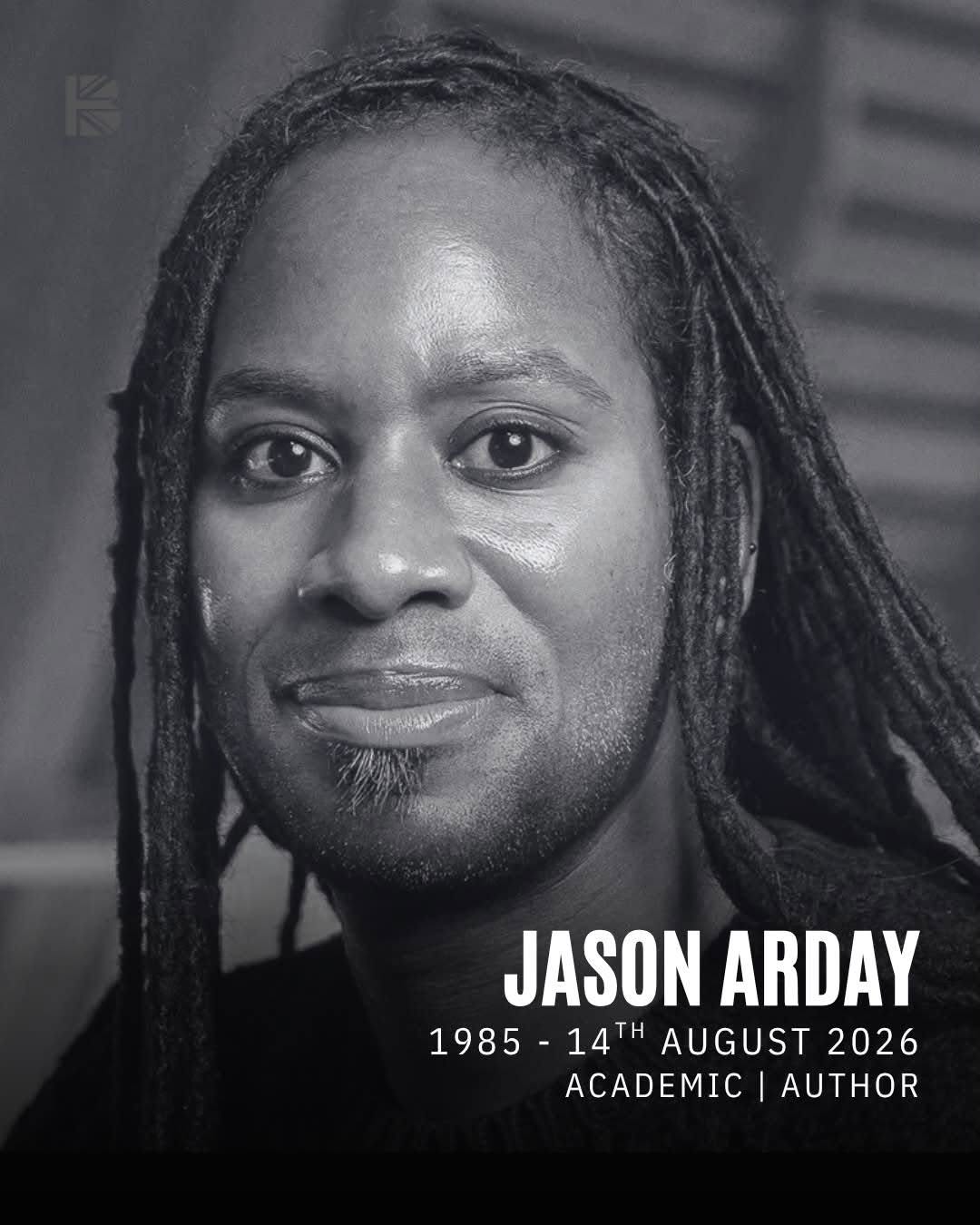
Prof Jason Arday’s death, following intense public scrutiny and allegations he denied, has forced me to confront this culture of killing ideas that thrives in the “ologies.” His experience raises difficult questions about what happens when academic scrutiny becomes public humiliation and institutions lose sight of the person behind the work.
I know something about this culture from my own experiences with reviewers. Some reviews have left me questioning my intelligence. You spend months developing an idea, reading, writing and rewriting, only to receive comments that make you wonder whether you belong in the academy at all.
Academics seem to forget how much effort and emotional investment it takes to develop an idea and pursue it through rigorous research, whatever their definition of rigour might be. How do we simply kill ideas like that?
Many academics have limited social lives. They spend their days at their desks, in conversation with other authors through the literature. Those authors become their intellectual companions. Their writing becomes an attempt to enter a conversation that has already been going on for years, sometimes centuries.
After all that labour, being told that your voice does not belong in the conversation can be devastating. For many of us, our ideas are killed, and something of our personhood dies with them. There is little care in the way peer review is conducted.
The academy appears to believe that a robust review requires rudeness and unnecessary disrespect. Somewhere along the way, hostility became a marker of intellectual seriousness. The sharper the dismissal, the more authoritative the reviewer sounds.
I have also been a perpetrator of this violence.
A little over ten years ago, I lost a relationship after reviewing someone’s work. They felt violated and were repulsed by the idea of ever being close to me again. Meanwhile, I had approached their work with excitement. I could see their potential and believed I was helping them realise it.
We eventually rebuilt the relationship. It is now one of the most treasured relationships in my life.
They later told me they had been unprepared for the way I wrote and how forcefully I challenged their ideas. At the time, I mistook their response for weakness. I was wrong.
I have sometimes taken a similar approach with friends. Having progressed faster than some of them, I encountered the academy’s brutalities earlier and gained experience that allowed me to critique their work. I thought I was preparing them for what awaited them. In the process, I began using lethality as a form of guidance.
I hope none of them ever felt inadequate because of me.
This is how the violence reproduces itself. We receive harsh criticism, absorb its methods and pass them on to people we care about. We call it preparation. We call it mentorship. We call it rigour. Sometimes we only recognise the damage when a relationship breaks or someone stops sharing their ideas altogether.
I found some distance from these brutalities through applied work. I work towards change that communities can see and experience today. I am happy to go without publishing for as long as the people I work with recognise the change I helped bring about.
I often console myself by remembering that many academic conversations change very little beyond the prestige of those participating in them. Perhaps I am missing out on recognition. I can live with that. My work makes sense when it contributes to changes that people can identify in their everyday lives.
Meanwhile, to those in the “ologies” who are still killing ideas in their pursuit of intellectual superiority: keep referencing Frantz Fanon, whom you have never read.
I do the same with Dambudzo Marechera. I have never read his books, yet I consider him the greatest writer Zimbabwe has ever produced.
Leave a Comment
Add a comment